Ornitho family
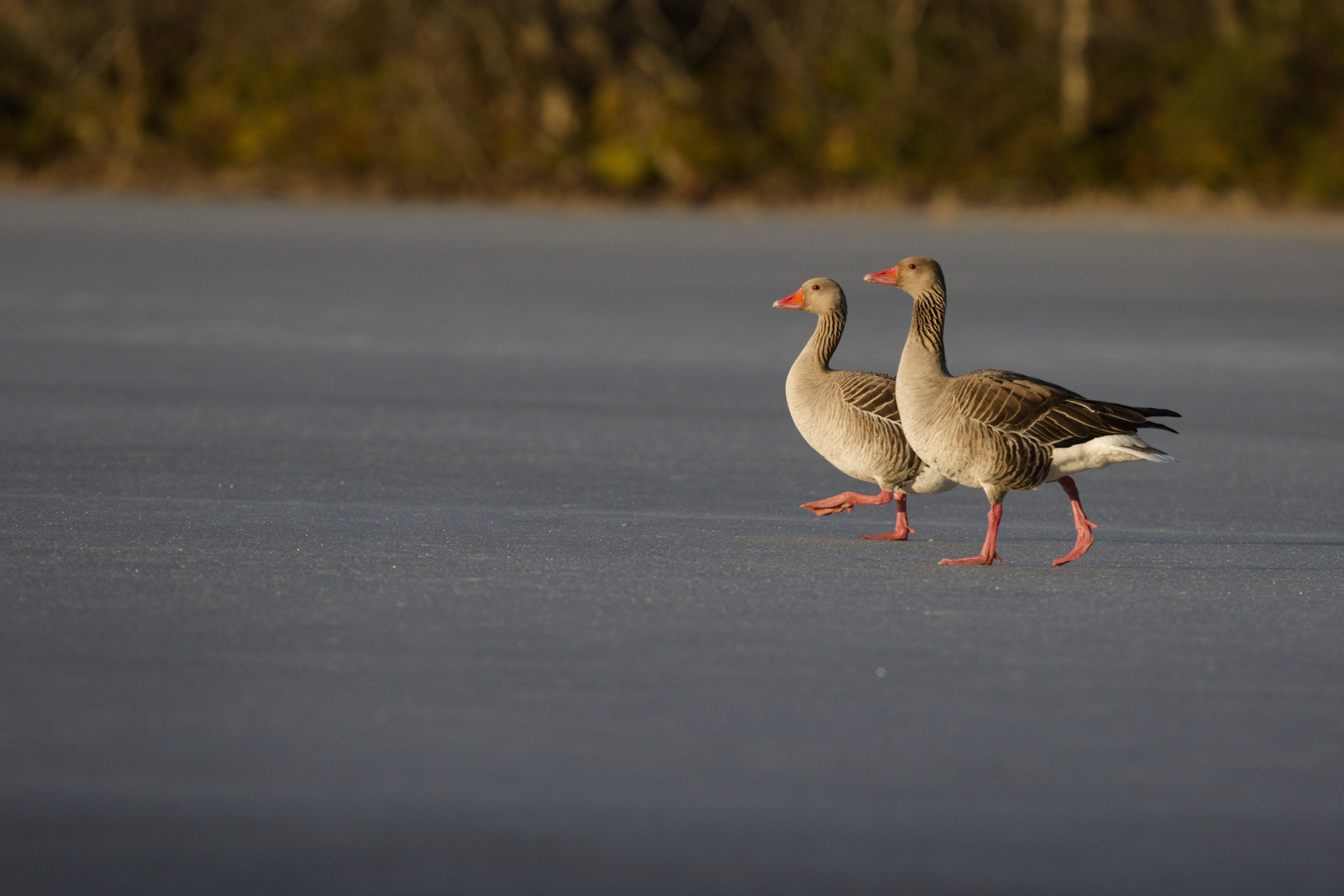
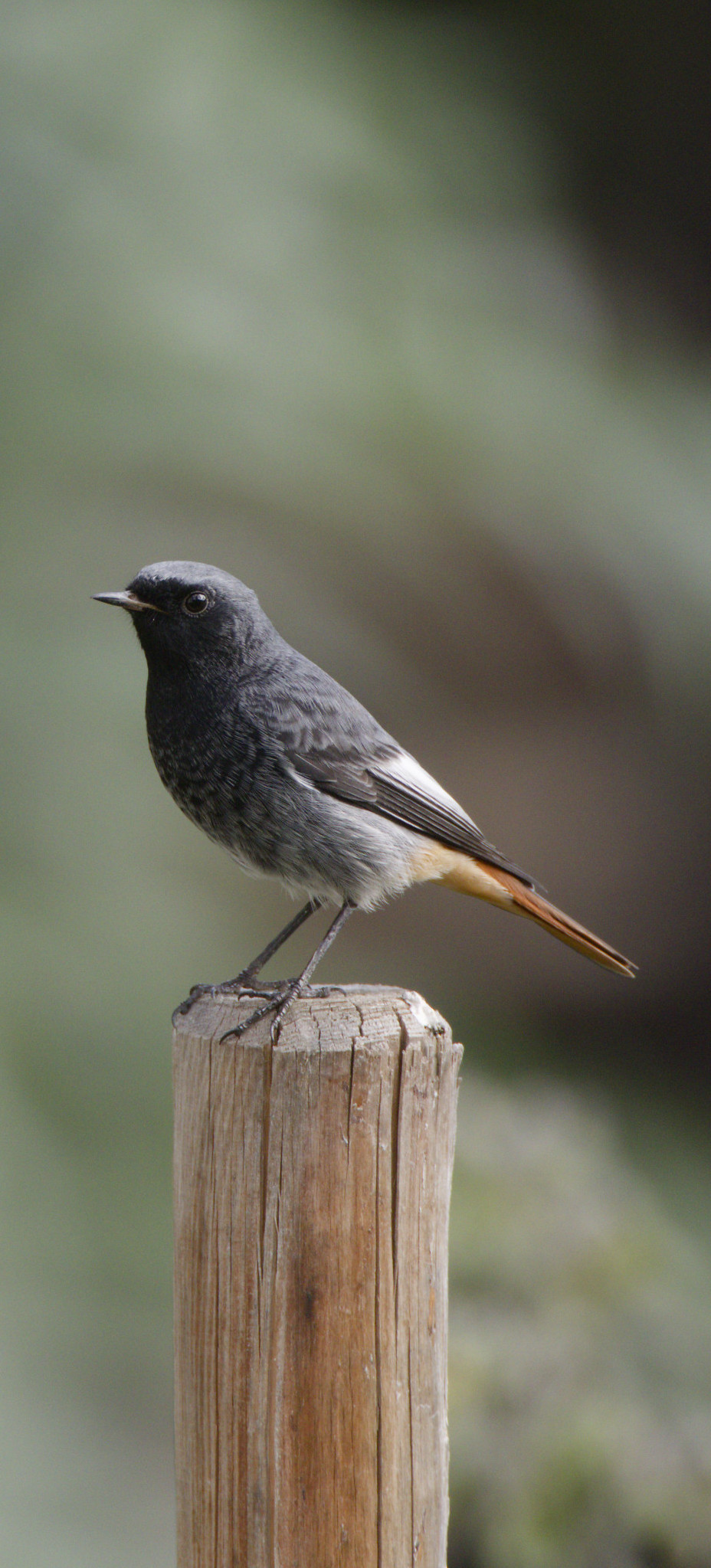

The "Ornitho family" is a European network of web portals dedicated to collecting and sharing naturalist observations, primarily focused on birds but also including other taxonomic groups such as reptiles, amphibians, mammals, orthopterans, dragonflies, and butterflies. These platforms allow ornithologists and field naturalists to record and consult data on wildlife, contributing to a better understanding and protection of biodiversity.
Each participating country has its own portal tailored to its territory and specific needs. The local portal enables users to share their observations and access real-time informations, like distribution maps or arrival dates of migratory birds for example. The collected data is used by various partner organizations to create species distribution atlases, monitor migrations, conduct environmental impact studies, and develop habitat protection and management plans.
At the international level, these portals are interconnected, allowing users to share and access data beyond national borders. This cross-border collaboration is illustrated by initiatives such as the EuroBirdPortal (EBP), which aggregates data from multiple national portals to provide an overview of bird distribution and migration trends across Europe.
In summary, the "Ornitho family" is a vital collaborative network for collecting, sharing, and analyzing naturalist data across Europe, supporting scientific research and biodiversity conservation efforts.
HOW CAN MEMBERS OF THE PUBLIC TAKE PART IN RESEARCH?
Anyone able to correctly identify the animals, can create an account and enter their observations in their own name via the NaturaList app, your local portal, or data.biolovision.net worldwide website.
WHAT HAPPENS TO THE RESULTS?
The use of data collected by the Ornitho family portals is governed by strict rules regarding data protection and compliance with the General Data Protection Regulation (GDPR) in force within the European Union.
In compliance with the General Data Protection Regulation, the list of persons who have explicitly requested authorisation to consult specific data is referenced at all times on all platforms.
Users also have rights, including access to their data, the ability to modify it, or request its deletion. This approach ensures a balance between the free contribution of naturalists and privacy protection while maximizing the positive impact of the collected data for research and biodiversity conservation.